
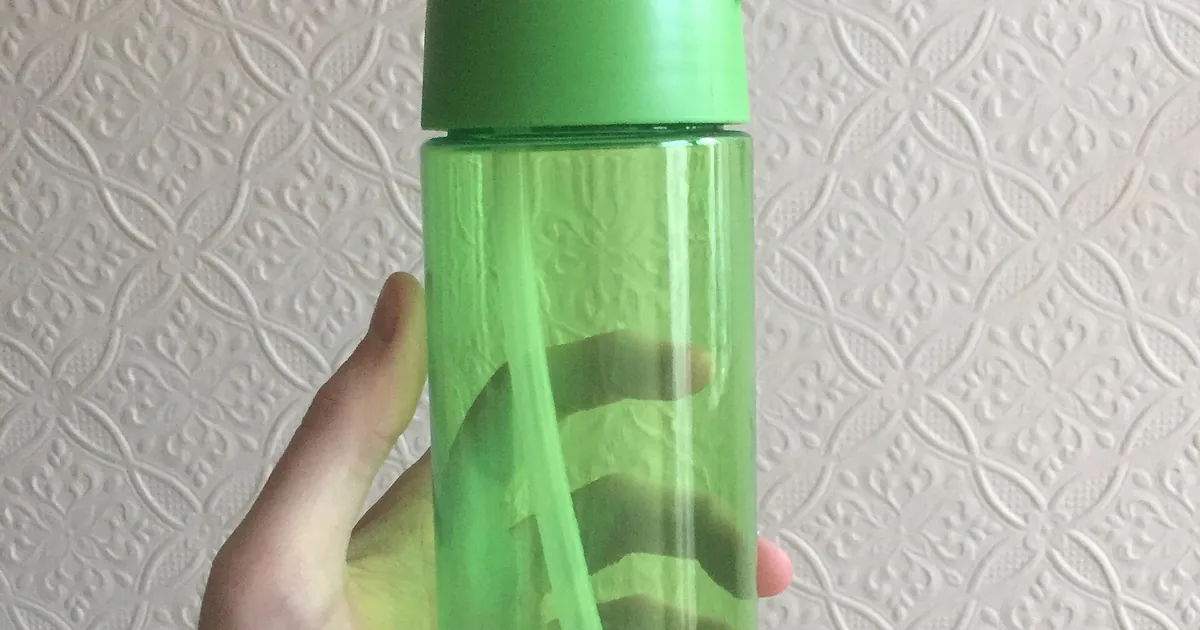
Reusable bottle. Photo: Bibeyjj / Wikimedia Commons, CC BY-SA 4.0
5 min read · 905 words
With the tournament days away, FIFA has handed every supporter heading to a match a small but genuinely consequential headache. The World Cup 2026 water bottle ban a last-minute change to the stadium code of conduct that took effect this week, means fans can no longer carry a reusable bottle through the gates, even an empty one. In a North American summer expected to bake several host cities, knowing exactly what you can and cannot bring into a World Cup 2026 stadium has suddenly become a hydration question, not just an admin one.
Here is what changed, what the rules now are, and how to plan around them.
What the World Cup 2026 water bottle ban actually says
As recently as last month, FIFA’s published guidance permitted fans to bring an empty, transparent, reusable plastic bottle of up to one litre into the seating bowl, to be filled at fountains inside. The updated code of conduct, in force from Tuesday, removes that allowance entirely. ESPN reported the reversal and Al Jazeera confirmed that refillable bottles of any kind are now barred from the stands.
FIFA’s stated reason is safety. The governing body says the measure is intended to “prevent risk and injury to players and attendees”, the standard rationale that hard or frozen bottles can become projectiles. It points to misting stations, cooling tents, fans and free hydration points distributed “around the stadium footprint,” and says water sold inside will be “consistent with other events held at each stadium.”
What you can and can’t bring into a stadium
Stripped to the essentials, the entry picture for the World Cup 2026 stadiums looks like this:
- Banned: reusable and refillable bottles of any size, including empty transparent ones that were allowed weeks ago; hard-sided containers; and, as at most major US venues, bags that fall outside the clear-bag standard.
- Generally allowed: a small clear bag within your venue’s clear-bag size limit, essential medical and baby items, and sealed factory items only where a specific venue permits them.
- Provided inside: water for sale at concession pricing, plus free hydration points, misting and cooling stations positioned around the concourses and footprint rather than at every seat.
The single biggest behavioural change for most fans is mental: the bottle you have carried to every other stadium in your life now stays in the car or the hotel.
Why fan groups are alarmed
The pushback has been swift. The Free Lions, England’s official fan embassy, criticised the timing and the substance, arguing that stripping away the one hydration tool a supporter fully controls is the wrong call in a summer where several venues are forecast to sit in the high 20s Celsius and the open-air desert and southern stadiums considerably hotter. Their concern is welfare: long security queues, a packed concourse, and a 3pm kickoff are exactly the conditions in which a fan most wants a bottle they can sip from the moment they sit down.
Original analysis: the hydration math the misting tents don’t solve
FIFA’s mitigation list sounds reassuring until you map it onto how a match day actually unfolds. Misting stations and cooling tents live around the footprint on the approach and the concourse, not in the seating bowl. Once you are in your seat for a 90-plus-minute match, your only realistic water source is the nearest concession line, and “pricing consistent with other events” at a US stadium typically lands somewhere in the $4–$6 range for a single bottle.
Run that forward on a conservative estimate. A family of four at a hot afternoon fixture, each drinking a couple of bottles across the day, can easily clear $40 in water alone, a cost that simply did not exist when an empty refillable bottle and a free fountain were permitted. The ban does not just inconvenience fans; it quietly converts a free necessity into a paid concession line, at the exact moment heat makes that necessity non-negotiable.
There is a contrast worth drawing. Qatar 2022 was played in climate-controlled, air-conditioned bowls; the heat was engineered out of the stadium. The 2026 North American venues are overwhelmingly open-air, and for many afternoon kickoffs the heat is a live tactical and medical factor, something we examined in our look at how heat and humidity will shape the 2026 World Cup. Removing fans’ own hydration in that setting is a meaningfully different decision than it would have been in a cooled stadium.
How to stay hydrated under the new rules
You cannot change the policy, but you can plan around it:
- Pre-load before the gates. Drink deliberately in the hours before kickoff and at the fan zones and approach, where misting and free hydration points are concentrated.
- Use the concourse, not just your seat. Identify the nearest free hydration point on the way in, and treat half-time as a deliberate top-up rather than a snack run.
- Budget for water like you budget for the ticket. If you are bringing kids to an afternoon match, factor concession water into the day’s cost from the start, the same all-in budgeting logic that decides which host cities treat fans best.
- Check your specific venue’s clear-bag size the night before. Rules vary slightly by stadium, and a non-compliant bag is the fastest way to miss kickoff in a security queue.
The reusable-bottle reversal is a small rule with an outsized footprint on a hot day. Fold it into your wider matchday plan, tickets, transport, heat and now hydration, using our complete World Cup 2026 guide.
