
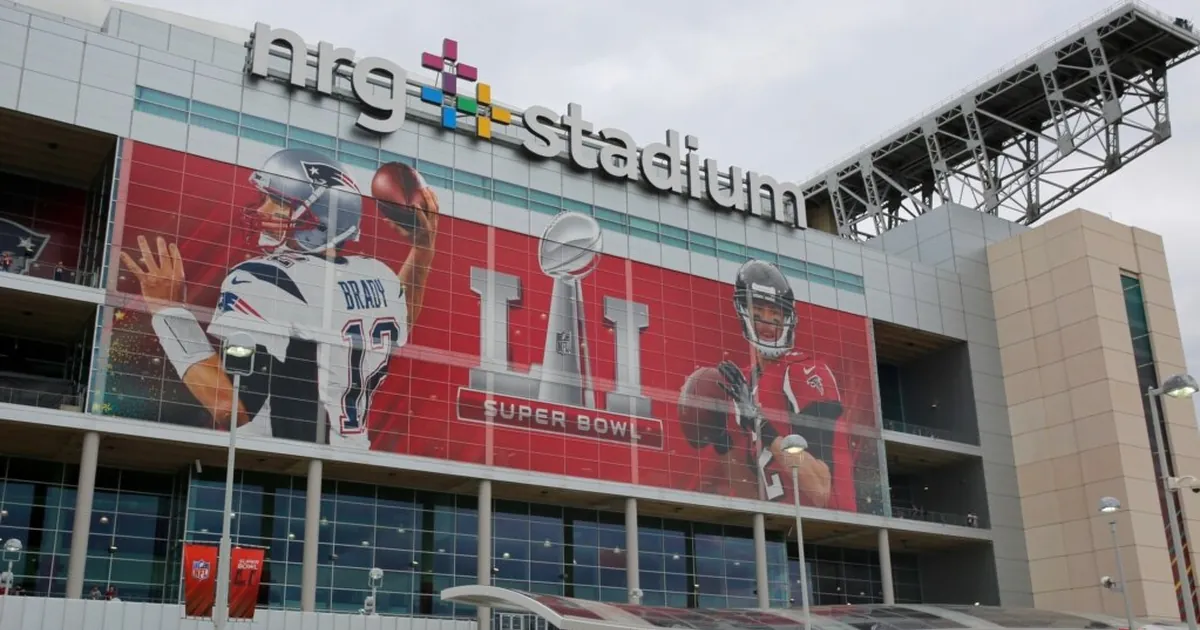
NRG Stadium, Houston — one of four air-conditioned World Cup 2026 venues. Photo: VOA News – B Allen / Wikimedia Commons, Public domain
6 min read · 1,175 words
Houston does not blush about its relationship with the automobile. The city sprawls across more than 600 square miles — larger than Los Angeles — and its freeway network is among the most extensive per capita of any major American metro. So when FIFA chose NRG Stadium as one of its four air-conditioned World Cup venues for 2026, the question hovering over the match schedule was a familiar one: how do 72,000 fans get to a stadium in a city that was designed, almost philosophically, for driving?
The answer is stranger and more useful than Houston’s reputation suggests. There is a light rail line running directly to the stadium door. Whether it helps you depends entirely on where in Houston you’re staying.
The METRoRail Red Line: How to Get to NRG Stadium for World Cup 2026
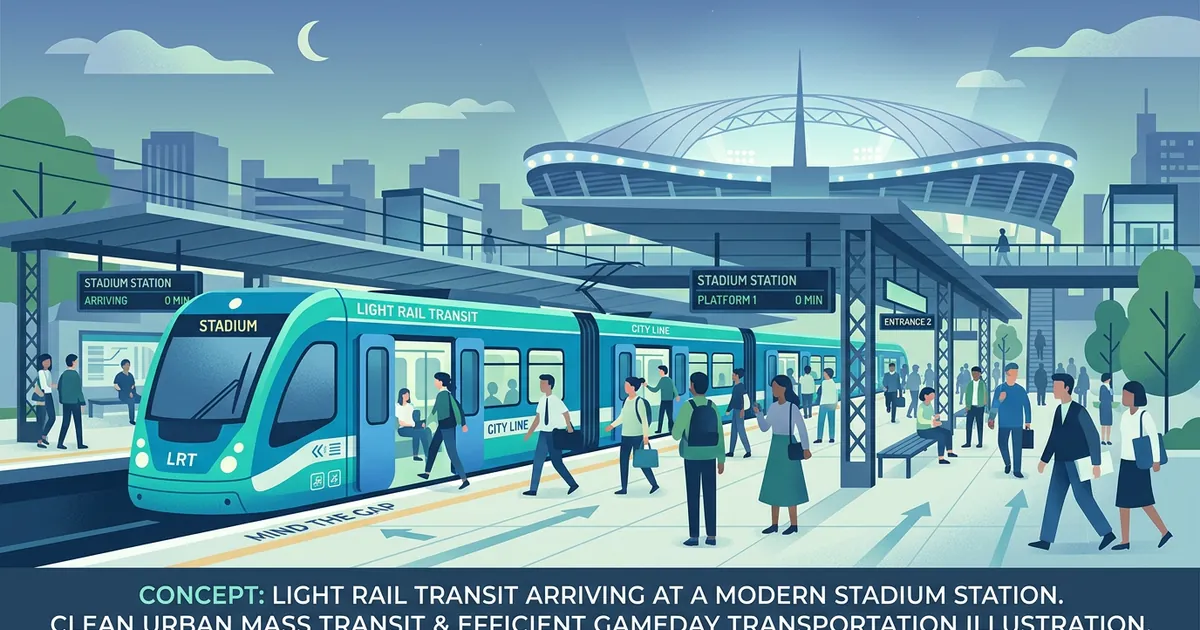
The Metropolitan Transit Authority of Harris County — METRO Houston — operates the METRoRail Red Line, a light rail route that connects Northline in the city’s north to the NRG Park area in the south. It runs through downtown Houston, Midtown, the Museum District, and the Texas Medical Center before reaching the NRG Park station, a short walk from the stadium’s main gates.
For fans staying downtown, in Midtown, or in the Medical Center hotel corridor, this transit option is genuinely straightforward. Board at any central station, ride about 20 minutes from the Theater District, walk. No parking fees, no surge pricing, no traffic. METRO Houston has confirmed extended service frequency and later operating hours on match days to handle World Cup crowds.
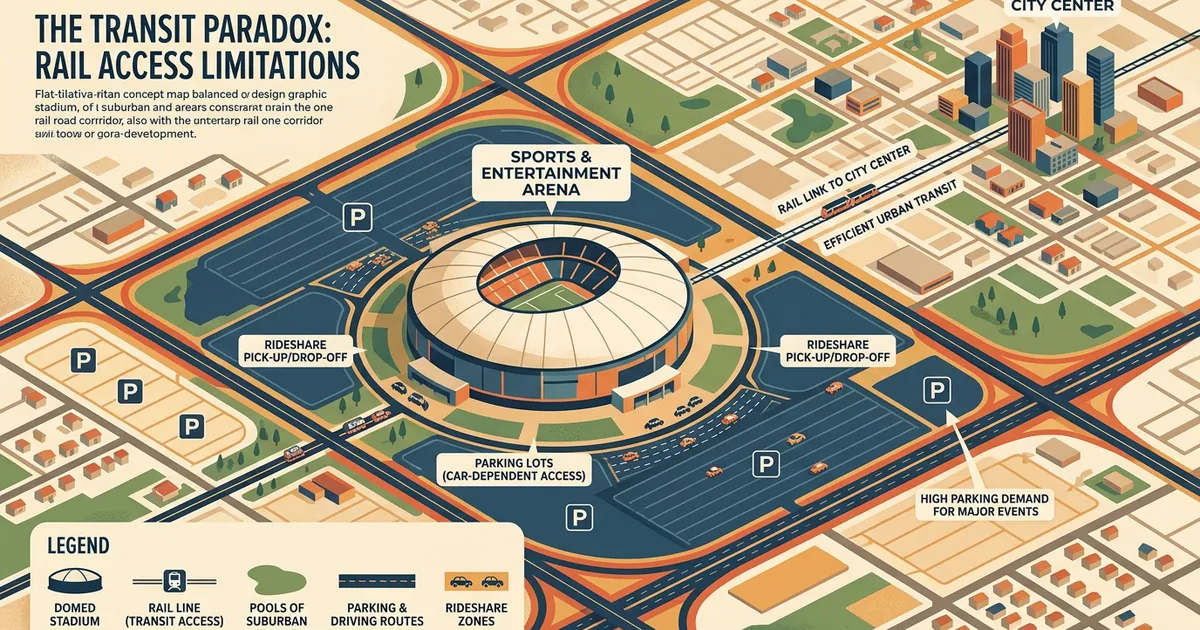
The catch is the city wrapped around the line. Houston sprawls across more than 600 square miles and most of its metro population — close to seven million people across Harris and surrounding counties — lives in car-oriented suburbs that the Red Line doesn’t reach. The Woodlands to the north, Katy to the west, Sugar Land to the southwest, Pearland to the south: these are where a large share of match-going fans will be based, and for all of them, the rail is not a direct option.
Getting In: Your Options
METRoRail (recommended for inner-loop fans)
If your hotel or rental sits near the Red Line corridor — downtown, Midtown, the Museum District, or the Medical Center — rail is the cleanest option. Arrive early enough to avoid platform crush; METRO typically manages queued boarding at NRG Park station during large events. Post-match platforms fill quickly, so allow extra return time. Fares are low and no advance booking is needed. For fans staying in the inner loop, this is the right call.
Rideshare (Uber/Lyft)
NRG Park has designated rideshare drop-off and pickup zones. Pre-match, rideshare to the venue works with normal lead time. Post-match is the challenge: 72,000 people reaching for their phones simultaneously triggers surge pricing quickly and realistic wait times of 30 to 60 minutes in the first hour after the final whistle. A practical workaround: walk 10 to 15 minutes away from the gates before requesting a car, which typically reduces both waits and surge rates. One important gap: Uber’s flat-rate post-match shuttle service covers only four of the eleven US host cities — Miami, Dallas, Boston, and New York — and does not include Houston. Check the Uber app before you assume it’s available.
Driving and parking
NRG Park has substantial surface parking — among the more generous parking footprints at any WC2026 US venue. All parking must be purchased in advance; no walk-up cash lots. Passes sell out ahead of match days, so buy before you travel. Post-match vehicle dispersal from a 72,000-seat venue takes time regardless of coordination; Houston PD manages South Loop traffic on match days, but budget at least an hour before the roads clear.
METRO Park-and-Ride
METRO Houston operates park-and-ride facilities across the outer metro — in suburban belt zones that the rail line itself doesn’t reach. Many connect to downtown stations or run direct express bus routes toward the inner loop. For fans based in Katy, Sugar Land, or Pearland, a park-and-ride stop in their area followed by a rail or bus transfer is often the most practical hybrid option. METRO Houston’s World Cup transportation guide lists the relevant lots by area.
The Transit Paradox: What Makes Houston Different
NRG Stadium occupies an unusual position across the sixteen WC2026 host venues. It’s one of four air-conditioned stadiums — alongside AT&T Stadium in Arlington, Mercedes-Benz Stadium in Atlanta, and BC Place in Vancouver — a genuine advantage in a tournament where June temperatures in many host cities push past 90°F and FIFA has embedded universal hydration breaks into the schedule specifically because of the heat.
It’s also one of the few US venues where rail reaches the stadium door. In that respect it resembles Atlanta’s Mercedes-Benz Stadium (also AC, also rail-to-door via MARTA) and Seattle’s Lumen Field, which established itself as the tournament’s transit benchmark. Compared to Kansas City’s Arrowhead (no rail, 7 miles from downtown), Boston’s Gillette (rail available at $80 per seat, trains capped), or Miami’s Hard Rock (shuttle-only, fans stranded a mile out at Copa América 2024), Houston’s transit access is genuinely competitive.
What makes Houston distinct is the mismatch between transit quality and city geography. Atlanta faces a similar paradox — MARTA is a real network, but the rail runs to the downtown core and the airport while the population has concentrated in car-dependent northern suburbs. Houston’s version is more acute. The Red Line corridor covers a narrow spine through a city whose residential mass spreads well beyond it. The fans who need transit most — those driving from outer suburbs who don’t want to park downtown — are often the ones the rail is least positioned to serve directly.
This means NRG Stadium’s transit advantage is real but uneven. Fans staying in the inner loop will have an easier match-day commute than they would at almost any other tournament venue. Fans driving in from suburban Houston will have a more typical Texas experience: long roads, advance parking logistics, and some patience for post-match dispersal. The same air-conditioned stadium will host both groups. How they arrive will look entirely different.
What Houston’s Track Record Tells Us
Copa América 2024 gave NRG Stadium its most recent large-scale test with international football, and the venue handled it without significant incident. The transport coordination around the stadium has been developed over years of Super Bowls, NBA Finals, and major concerts — NRG Park is one of the most event-experienced venues in North America. That experience generally translates to smoother logistics than first-time World Cup venues face.
The practical advice, then, is this: if you can get to the Red Line, take it. If you can’t, buy parking early, consider a METRO park-and-ride from your suburb, and give yourself time after the final whistle before your car or your rideshare can move. Houston’s status as one of four climate-controlled WC venues means matches there will be more comfortable than many in this tournament. Getting in and out is the variable that takes planning. Plan for it, and the rest is straightforward.
For all host-city transport explainers and World Cup 2026 fan guides, see the FootyGazette World Cup 2026 hub.
