
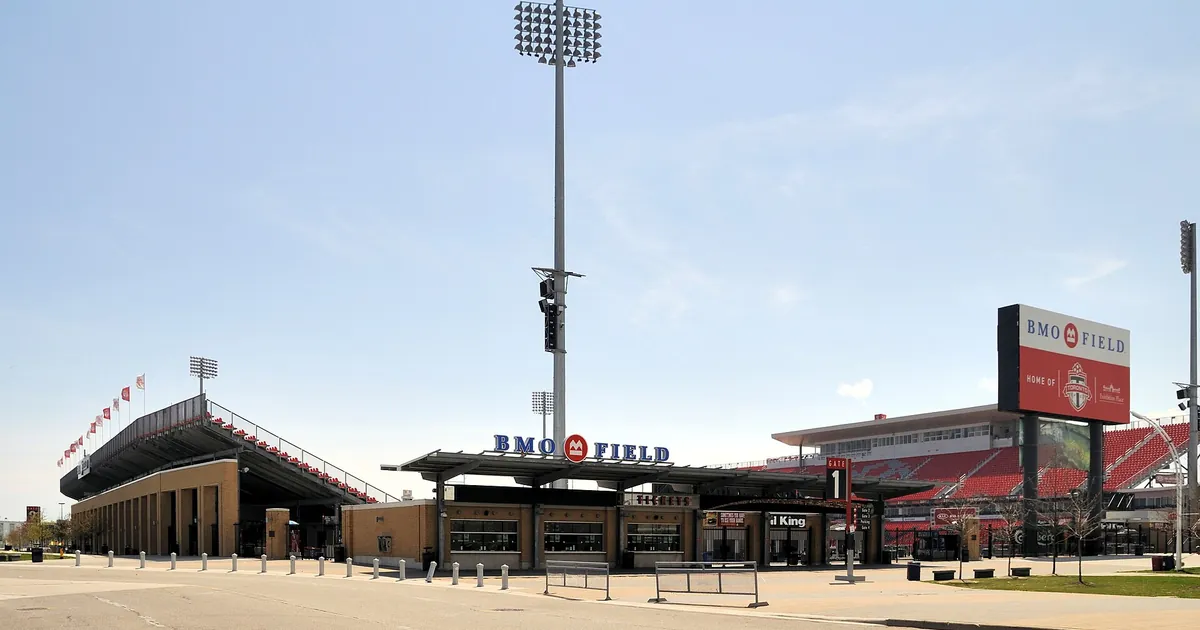
Toronto's BMO Field, where the World Cup 2026 group-stage tickets at the centre of FIFA's pricing-error reversal were sold. Photo: Wladyslaw / Wikimedia Commons, CC BY-SA 3.0
5 min read · 1,088 words
For about 60 supporters, the cheapest seats in World Cup history lasted exactly until FIFA noticed. In late May a checkout glitch on the official platform let a small group buy World Cup 2026 free tickets group-stage matches in Toronto, confirmation emails and all, for the grand sum of $0. Two weeks later the governing body cancelled every one of those orders and invited the fans to buy the same seats back at full price, with a seven-day clock attached. It is a small story, 60 people out of millions. It is also one of the cleanest illustrations yet of how the tournament’s ticketing terms actually work: finality runs in one direction only.
What the World Cup 2026 free tickets episode actually was
The facts are not really in dispute. On 21 May 2026 a payment-processing fault during checkout allowed roughly 60 buyers to complete orders at $0 and receive confirmation, before the error was caught. All of the affected tickets were for group-stage fixtures in Toronto. On 3 June FIFA emailed the buyers to say the orders were void but the seats remained reserved, and that they had seven days to pay “the correct amount” or lose them. In its statement the body said it “regrets the error and any inconvenience caused” and confirmed full refunds for anything already charged, which, since the fault charged $0, means refunding nothing.
Reported straight, it is a shrug of a story: a glitch, a correction, no one out of pocket. ESPN, Yahoo Sports and others ran it as exactly that. But the interesting part is not the bug. It is the rulebook FIFA reached for to fix it, and what that rulebook says when the error runs the other way.
The asymmetry engine: why the rules only bend one direction
Here is the original point worth sitting with. FIFA justified the clawback under its Terms of Sale for the General Public, which reserve the right to cancel any order placed at an “inaccurate” price and re-offer it correctly. Fair enough, most retailers carry an obvious-pricing-error clause, and no court expects a seller to honour a decimal-point slip. The problem is the other half of the same document. Those same Terms make consumer purchases final: once payment processes, the published policy is that sales are non-refundable and cannot be cancelled or returned, and FIFA additionally reserves the right to void a ticket at any time, without refund, if it decides a term has been breached.
Lay the two halves side by side and the design becomes visible. When the platform errs in the fan’s favour, the confirmed sale is reversible, FIFA simply unwinds it. When the fan wants out of a confirmed sale, for any reason at all, it is irreversible. The contract is binding against the buyer and provisional for the seller. “All sales are final” turns out to mean all of your sales are final. The $0 group in Toronto did not hit a loophole; they hit the one scenario where FIFA’s own boilerplate works against FIFA, and the boilerplate was quietly overridden in real time. That is not a bug in the terms. That is the terms functioning as intended.
The seven-day clock is the real product
Notice how the remedy was framed. FIFA did not say “we erred, so we will honour the confirmation or offer you compensation.” It said the seats “remain reserved” and the fans “have been invited to complete payment” within seven days. Read coldly, that is a sales pitch dressed as an apology. The fan is moved from holding a completed order to holding a time-limited option, pay the listed price now or watch the seat return to general sale. The cost of FIFA’s processing failure is transferred, in full, onto the people who did nothing wrong, and the transfer is packaged as a courtesy (“we are holding it for you”). Reservation, here, is not a concession to the consumer. It is leverage: a countdown manufactures the urgency that the dynamic-pricing engine elsewhere manufactures with scarcity.
It rhymes with the broader complaint about this tournament’s ticketing, where dynamic pricing has pushed individual seats into the thousands and locked buyers in the instant they click. The through-line is not greed for its own sake; it is the consistent placement of every cost, every error, every reversal on the consumer side of the ledger. The $0 episode is the same machine caught running in reverse, and choosing not to.
Why a regulator might care more than the fans do
None of the 60 will sue over a Toronto group-stage ticket; the sums are too small and the seven-day window too short to do anything but pay or walk. But the asymmetry is exactly the sort of thing consumer-protection law exists to police, and FIFA’s ticketing is already inside that frame. The attorneys general of New York and New Jersey have opened an inquiry into the program over possible consumer-protection violations tied to its pricing practices. A one-way finality clause, final against the buyer, optional for the seller, is a textbook unfair-terms argument in both the US and Canada, where an “obvious error” carve-out for the merchant is ordinarily expected to sit beside some reciprocal protection for the customer, not replace it.
For an individual fan the practical advice is dull but worth stating: a $0 confirmation email is not a windfall to bank on, because the terms you accepted let FIFA unwind it, and fighting it costs more than the seat. The more useful takeaway is structural. This is the second documented instance of FIFA’s platform shifting its own operational failure onto buyers, after the money fights already swirling around matchday logistics and pricing and regulators tend to treat a pattern very differently from an isolated glitch. Sixty refunds of nothing is not a scandal. A standard contract that only binds one party is the thing worth watching.
The bottom line
FIFA will close out the Toronto 60 quietly. Most will pay; a few will let the seats lapse; the line item disappears. But the episode is a free X-ray of the ticketing architecture for the whole of World Cup 2026: a system where the seller’s mistakes are correctable and the buyer’s are permanent, where a reservation is a countdown and an apology is an invoice. The glitch gave 60 people a brief, accidental glimpse of a contract that treats them and FIFA by different rules. The rest of us got the glimpse for free, which, fittingly, is the only thing about this tournament’s tickets that has stayed that price.
Sources: Yahoo Sports; ESPN; IBTimes UK; The World Cup Guide, FIFA ticket terms.
