8 min read · 1,623 words
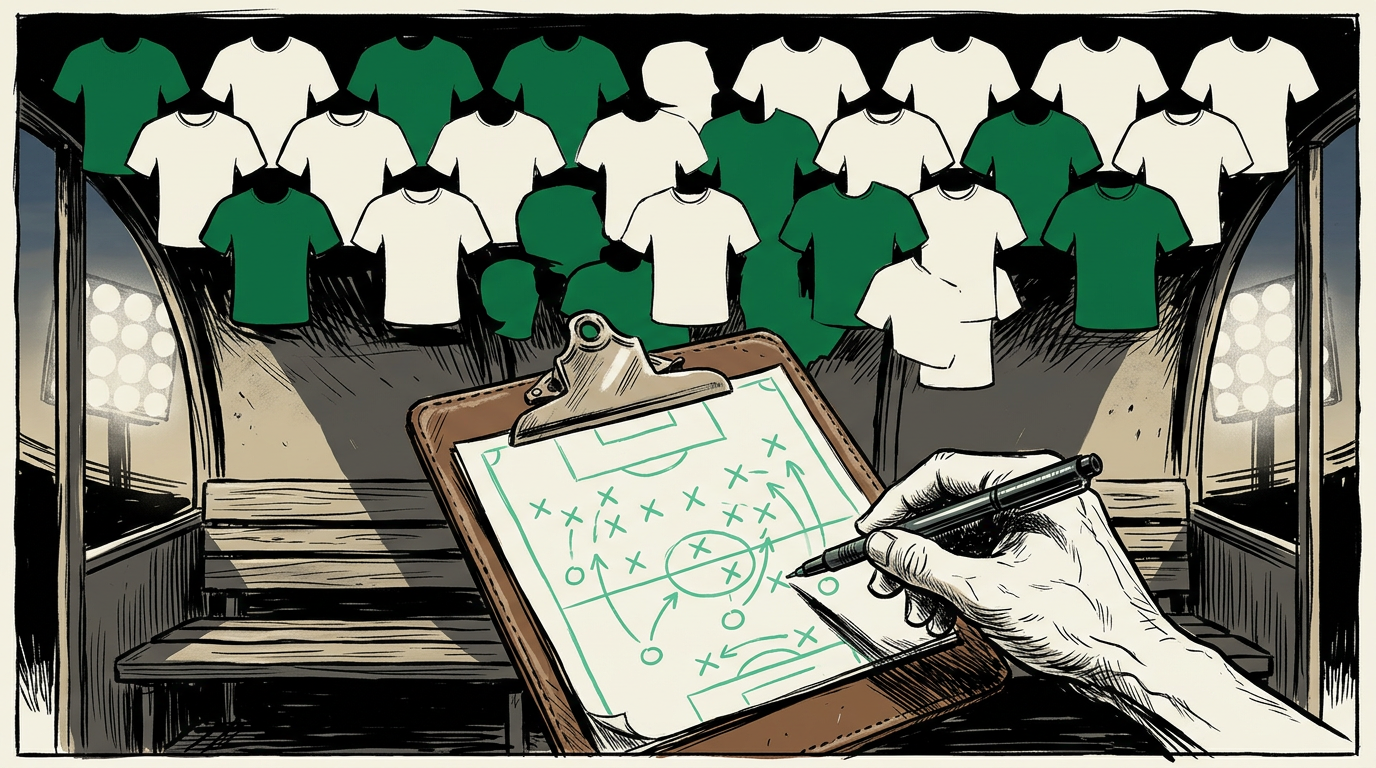
There is something quietly compelling about a national squad announcement. Twenty-six names, a coach’s entire philosophy distilled into a list, and somewhere in the margins, careers either confirmed or quietly ended. Tony Popovic will hand down his verdict on 1 June, and with Australia’s opening match against Turkey arriving shortly after, the window for sentiment is slim.
Popovic himself is not a man given to sentiment. His managerial record, methodical, defensively organised, demanding, suggests a coach who picks on evidence rather than reputation. That matters here, because the Guardian’s Jack Snape notes that this Socceroos squad will be dominated by players yet to experience a World Cup. That is not a weakness, necessarily. It is simply the reality of where Australian football sits in 2026, a generation turning over, the old guard largely departed, a new cohort not yet fully road-tested at the highest level.
The training camp in Florida is where the final decisions are being made. Twenty-six spots. Considerably more than twenty-six candidates. The mathematics are unforgiving.
The Locks: Names Already Written in Pen
Who are the certainties in Popovic’s squad?
Every squad has its immovables, the players whose omission would constitute a genuine story rather than a selection decision. For Australia, the goalkeeper situation appears settled, with the experienced options likely to anchor the back line Popovic has built his tenure around. His 2006 World Cup experience as a player gives him a particular appreciation for what tournament football demands defensively; you would expect that to be reflected in his selections.
In midfield, the players who have been consistent throughout qualification carry the strongest claims. Popovic’s systems tend to require industrious central midfielders capable of pressing and recovering shape, the sort of profile that suits a coach who has never been especially interested in aesthetics for their own sake. Players fitting that mould, with consistent club minutes behind them, will be on the plane.
The 2026 World Cup expanded format, 48 teams, three-team groups, means Australia will play at minimum three matches. Squad depth matters more than it did in previous tournaments, which arguably works in favour of Popovic naming a slightly more pragmatic, balanced 26 rather than loading up on attacking options.
The Likelies: Form Versus Familiarity
Which fringe players have done enough to earn selection?
The more interesting selections sit in the middle band, players who have done sufficient to be considered but not quite enough to be considered certain. Snape’s analysis highlights a squad brimming with promise but short on familiar faces at the international level. That cuts both ways: it creates genuine competition for places, but it also means Popovic is making decisions with less data than he might like.
Club form in the final weeks of the European season will have been watched closely. A player who has been starting regularly in a competitive league carries a different kind of argument to one who has spent the spring on the bench. Popovic is unlikely to be swayed by historical caps alone, this feels like a squad built on current evidence.
The wide attacking positions are where the competition appears most open. Australia have options capable of operating in different systems, which is useful given that Popovic may need to adapt his approach depending on the opposition in the group stage. Turkey will be a specific tactical problem worth thinking about; they are organised, physical, and will not be intimidated by Australia’s pace in behind.
How does the 26-man format change selection logic?
The expanded squad size, up from 23 in previous tournaments, creates space for a specialist or two who might not have made earlier World Cups. A set-piece delivery specialist. A second goalkeeper with particular shot-stopping qualities. A forward who offers something different off the bench in the final twenty minutes. Popovic will have thought carefully about these marginal slots, because in a tournament where the group stage now involves three matches and the knockout rounds begin with a last-48 round, squad versatility has genuine tactical value.
For more on how the expanded format reshapes squad-building logic across all 48 qualified nations, the full breakdown of the 48-team structure is worth reading before the squads are confirmed.
The Long Shots: Who Is Still Fighting?
Which players face an anxious wait until 1 June?
The brutal end of any squad announcement is the players who believed they were close and were not. In this Socceroos cycle, the long shots are likely to be younger players who have had promising domestic seasons but limited international exposure, and older players whose club situations have become complicated in the second half of the season.
Popovic’s Florida camp is the last opportunity to make an impression. Training ground performances matter, coaches at this level are watching everything, and a player who arrives sharp, focused, and tactically switched on will always have a marginal advantage over one who looks like they are still winding down from a long club season. The psychological readiness for tournament football is not nothing.
There will also be fitness questions to resolve. A squad announcement made with one eye on injury news from club sides is a familiar feature of international management. A player who has missed the final weeks of the domestic season through injury faces a harder argument than one who has been playing through minor discomfort. Popovic will have medical staff assessments to weigh alongside the football judgements.
What does Australia actually need from this squad?
The honest answer is goals. Australia’s qualification campaign, like most qualification campaigns, was not always a flowing exhibition of attacking football. Getting through is the point. But at a World Cup, particularly one where the group stage format means a single poor performance does not necessarily end your tournament, you need the capacity to hurt teams who sit deep and invite pressure.
The tournament kicks off in June and Australia’s opening fixture against Turkey will tell us a great deal about what Popovic has built. Turkey are not a side who will be easily bypassed through the middle. Australia will need width, movement, and the ability to create from set pieces if open play becomes congested. That shapes the squad selection logic: you want players who can execute in those specific contexts, not just players who look impressive in a training camp environment.
The Broader Context: A Tournament Unlike Any Other
It would be remiss not to acknowledge the wider atmosphere surrounding this World Cup. The Guardian’s feature on Donald Trump’s involvement with the tournament and his rather more obscure earlier involvement with the sport at New York Military Academy, is a reminder that the 2026 edition carries political and cultural weight well beyond the football itself. The United States, Canada, and Mexico as co-hosts creates a tournament with an unusual geopolitical texture, and the host nation’s president having a prominent ceremonial role adds another layer of complexity that no previous World Cup has quite matched.
For Australia, none of that changes the football problem. You still have to beat Turkey. You still have to manage your squad across a potentially long tournament. You still have to make twenty-six selection decisions that will be second-guessed by supporters for years regardless of the outcome. Popovic will be focused on those twenty-six names, not the noise around them.
The full World Cup guide covers all 48 qualified nations, group-stage fixtures, and what to expect from the expanded format, useful context as the squad announcements begin arriving in the next fortnight.
What Happens Next
The squad lands on 1 June. After that, the conversation shifts from selection to preparation, how Popovic sets up against Turkey, whether Australia’s defensive structure can hold against a physically imposing opponent, and whether the new generation of Socceroos can handle the specific pressure of a World Cup opener.
There is genuine reason for cautious optimism. A young squad with something to prove, a coach with clear tactical convictions, and a tournament format that rewards consistency over a three-match group stage rather than demanding perfection from match one. Australian football has been through more turbulent periods. This one, at least, arrives with a degree of structural clarity, even if the twenty-six names are not yet confirmed.
Check back on 1 June. The list will tell you everything about what Popovic actually believes, as opposed to what he has been diplomatically saying in press conferences. Coaches always reveal themselves in selection. This one will be no different.
FAQ
When does Tony Popovic name the Socceroos’ 2026 World Cup squad?
Popovic is set to announce his 26-man squad on 1 June 2026, following the training camp in Florida.
Who are Australia’s first opponents at the 2026 World Cup?
Australia face Turkey in their opening group-stage fixture. It represents a significant tactical test given Turkey’s physical and organised defensive setup.
How many players can Australia take to the 2026 World Cup?
The expanded squad regulations allow 26 players, up from the 23-man squads used in previous tournaments. The additional three spots create room for specialist options and greater depth.
Why does the 48-team format matter for Australia’s squad selection?
With three group-stage matches guaranteed and a new last-48 knockout round, squad depth and versatility carry more weight than in previous editions. Popovic can afford to include a broader range of profiles without sacrificing balance.
Where can I watch Australia’s World Cup matches?
Coverage details and streaming options are available on the FootyGazette watch page. Fixture times will be confirmed closer to the tournament opening.
Has Tony Popovic managed at a World Cup before?
Popovic played at the 2006 World Cup as a player but this is his first tournament as head coach of the Socceroos. His managerial career has been built primarily in club football before taking the national role.