
8 min read · 1,547 words
There is a peculiar gravity to Scotland versus Morocco at the 2026 World Cup. Two nations, one fixture, and enough subplots to fill a broadsheet supplement. Steve Clarke’s side need a result to reach the last 32 for the first time in their history. Morocco, 2022 semi-finalists and arguably the most improved team in world football since Qatar, are standing in the way. And hovering above all of it is the confirmation that Morocco captain Achraf Hakimi will stand trial for rape, following accusations dating to 2023.
Let’s take each thread in turn, because they deserve separate handling rather than being bundled into one breathless narrative.
The Hakimi Situation: What We Know and What Remains Unclear
French prosecutors have confirmed Hakimi will face trial on rape charges stemming from an accusation made in 2023. The Paris Saint-Germain right-back, who is Morocco’s captain and arguably their most recognisable player globally, has denied the allegations. The trial date has not yet been set, meaning Hakimi remains eligible to play in this tournament under current FIFA and Moroccan Football Federation guidelines.
What is verified: the trial confirmation is real, the charges are serious, and Hakimi continues to captain the side. What is genuinely unclear is how this affects Morocco’s dressing room dynamic, whether Clarke’s staff will attempt to exploit any psychological disruption, and how Hakimi himself performs under this particular weight. Speculating beyond those parameters would be irresponsible. The legal process will run its course separately from the football, as it should.
For Scotland’s purposes, the tactical question around Hakimi is more straightforward: he is an elite attacking full-back who pushes high, inverts, and creates overloads. Whether he is distracted or not, his quality on the ball demands respect from whoever Clarke deploys on Scotland’s left.
Morocco: Better Than the 2022 Version, and That Is Saying Something
Clarke was asked directly whether Morocco pose as stern a threat as Brazil, the side Scotland drew 1-1 in their Group C opener. His answer, per the Guardian, was an unequivocal “absolutely.” That is not Clarke being diplomatic. Morocco in Qatar were tactically sophisticated, physically relentless, and emotionally cohesive in a way that dismantled Spain, Portugal, and Belgium. They have had four more years of development under Walid Regragui, with most of the core squad now at their peak ages.
The 1-1 draw with Brazil in this tournament’s opening round told you plenty. Morocco did not sit deep and absorb. They pressed high, won second balls in midfield, and created enough to have won the match. Their xG in that fixture was reportedly competitive with Brazil’s, which, given the quality of opposition, is a meaningful data point rather than a flattering one.
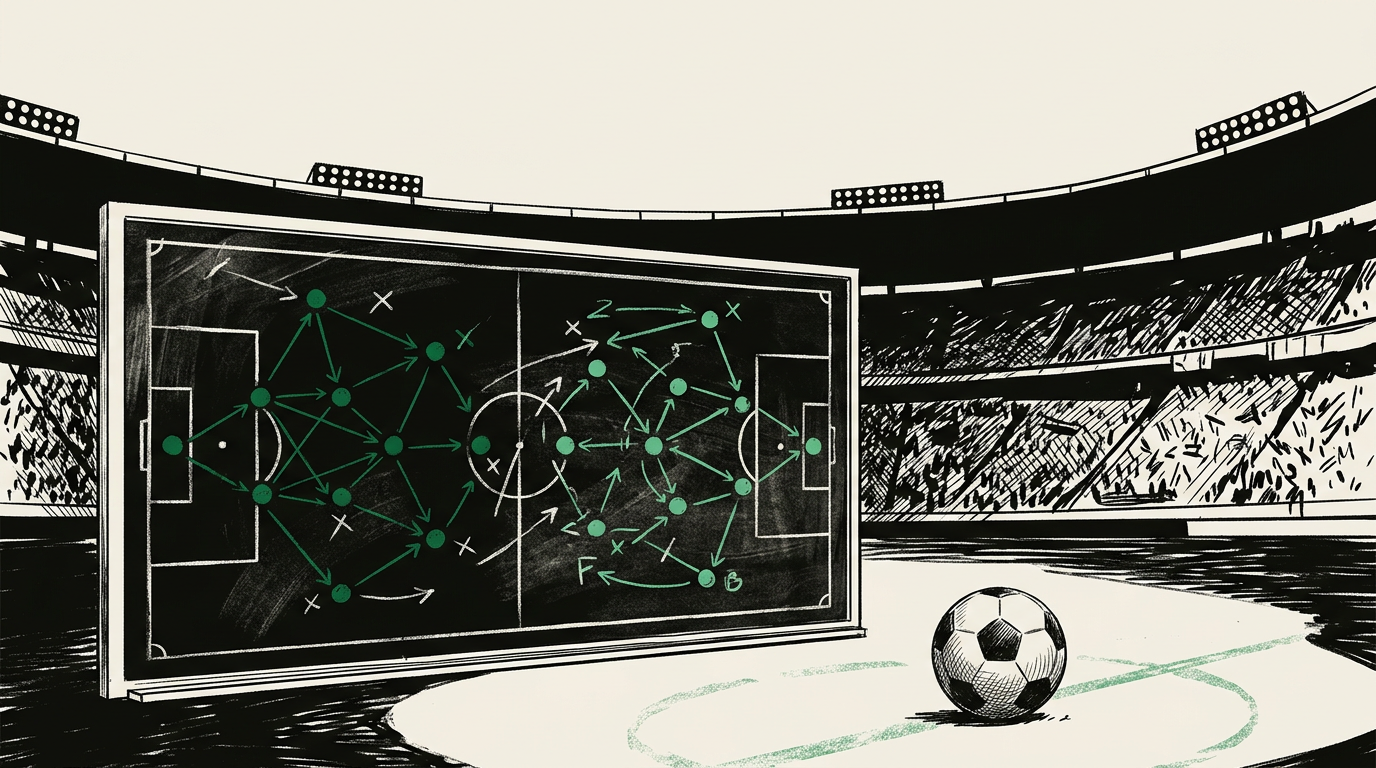
Regragui’s shape is typically a 4-3-3 that compresses into a 4-5-1 without the ball, with the wide forwards tracking back diligently. The midfield three, anchored by Sofyan Amrabat’s successor generation, covers ground at a rate that suffocates teams who want to play through the middle. Scotland, who built their 1-0 win over Haiti on set-piece efficiency and defensive organisation rather than sustained possession, will find that approach tested far more severely here.
Scotland’s Tactical Dilemma: Back Three or Back Four?
The Guardian’s match preview noted Clarke is considering a back three for the Morocco fixture. That would represent a significant shift from the 4-2-3-1 or 4-3-3 structures Scotland have typically used under Clarke, and it signals genuine respect for Morocco’s wide threats. A back three would give Scotland an extra body to handle Hakimi’s overlapping runs on one side and whoever operates on Morocco’s left, while potentially freeing wing-backs to contribute in transition.
The risk is that Scotland’s wing-backs, operating in a system they have had limited preparation time in at tournament level, could be exposed defensively if Morocco’s press pins them back. Sky Sports noted the historical weight Scotland carry into this fixture, with the two nations having met only once previously. The psychological dimension of rewriting that history is real, but Clarke is not the sort of manager who lets sentiment drive selection. He will pick the shape he believes gives Scotland the best chance of controlling the game’s key moments.
For a deeper look at how back-three systems function at this level, the FootyGazette back-three tactical analysis is worth revisiting. The principles Clarke would be applying against Morocco’s wide forwards are consistent with what the best back-three sides do: compress central space, use the extra centre-back to step into midfield duels, and trust the wing-backs to be disciplined rather than adventurous.
Scotland’s Totems: Who Has to Deliver
BBC Sport’s Tom English was direct on this point: Scotland’s best players need to turn up. That means Andy Robertson managing his defensive responsibilities against a right side that will test him relentlessly. It means Scott McTominay, who has become Scotland’s most important creative force, finding pockets between Morocco’s midfield lines rather than being swallowed by them. And it means the striker, whoever Clarke selects, holding the ball long enough to relieve pressure when Scotland win it.
Robertson’s duel with whoever Morocco deploy on their right is the fixture’s most interesting individual contest. If Hakimi starts, and there is no indication he will not, Robertson faces arguably the best attacking full-back in world football. Robertson’s defensive positioning has improved markedly over the past two seasons, but Hakimi’s combination of pace, technique, and intelligence in tight spaces is a different category of problem.
McTominay’s role is equally critical. Morocco’s midfield press is designed to force teams into long balls or backward passes. McTominay’s ability to receive under pressure, turn, and drive forward is Scotland’s primary mechanism for breaking lines. If he is crowded out, Scotland will spend long periods defending.
What Qualification Would Actually Mean
Scotland have waited over 10,000 days for knockout tournament football. That figure, cited by Sky Sports, is not hyperbole, it is arithmetic. A win or a draw that secures enough points to advance from Group C would be the most significant result in Scottish football since the 1998 World Cup campaign, and arguably more meaningful given the expanded 48-team format that, paradoxically, makes group-stage elimination even more embarrassing for a side of Scotland’s resources.
The 48-team format means the last 32 is the new round of 16, and with four third-placed teams from each group of three also advancing in some configurations, Scotland’s path is not as narrow as it once would have been. But Clarke’s side need points from this fixture regardless. A defeat to Morocco, combined with the right results elsewhere, could still eliminate them, and nobody in the Scotland camp will be banking on favourable arithmetic.
The broader context for Scottish football’s World Cup journey is worth reading in full at the FootyGazette World Cup 2026 guide, which covers the group-stage picture across all 16 groups.
The Projected Last 32 Picture
BBC Sport’s projected last-32 tracker shows Morocco currently on course to advance from Group C as one of the top two sides. Scotland’s position depends entirely on Friday’s result. A win puts Clarke’s side in strong contention. A draw keeps them alive but reliant on the Haiti fixture. A defeat almost certainly ends the tournament for them.
For Morocco, the stakes are different. They are good enough to absorb a draw and still advance, which gives Regragui the option of being slightly more conservative than his side’s natural instincts suggest. Whether he takes that option, or whether Morocco come at Scotland with the same intensity they showed against Brazil, will define the tactical shape of the match from the first whistle.
FAQ
Will Achraf Hakimi play against Scotland despite the rape trial confirmation?
As of the time of writing, Hakimi remains eligible to play. The trial confirmation does not trigger any automatic suspension under FIFA regulations, and Morocco have given no indication he will be dropped from the squad or the starting eleven.
What formation is Scotland likely to use against Morocco?
Clarke has indicated a back three is under consideration, which would be a departure from Scotland’s more familiar four-defender setup. The decision will likely depend on how Clarke wants to handle Morocco’s wide threats, particularly Hakimi’s runs from right-back.
What result does Scotland need to reach the World Cup last 32?
A win against Morocco would put Scotland in a very strong position to qualify from Group C. A draw keeps them in contention but reliant on the final group fixture against Haiti. Defeat would likely end their tournament.
How did Morocco perform against Brazil at this World Cup?
Morocco drew 1-1 with Brazil in their Group C opener, with Clarke describing the performance as evidence that Morocco are now superior to the side that reached the 2022 semi-finals. Their pressing and physical intensity were noted as particularly impressive.
Where can I watch Scotland vs Morocco at the 2026 World Cup?
Coverage details and streaming options for the 2026 World Cup are available at the FootyGazette World Cup how-to-watch guide. For broader viewing options, you can also check FootyGazette’s watch page.
How does the 48-team World Cup format affect Scotland’s qualification chances?
The expanded format means more teams advance from the group stage, but Scotland still need to finish in the top positions of Group C or secure enough points as a third-placed side. A result against Morocco is the clearest route to safety. Full format details are at the 48-team format explainer.
