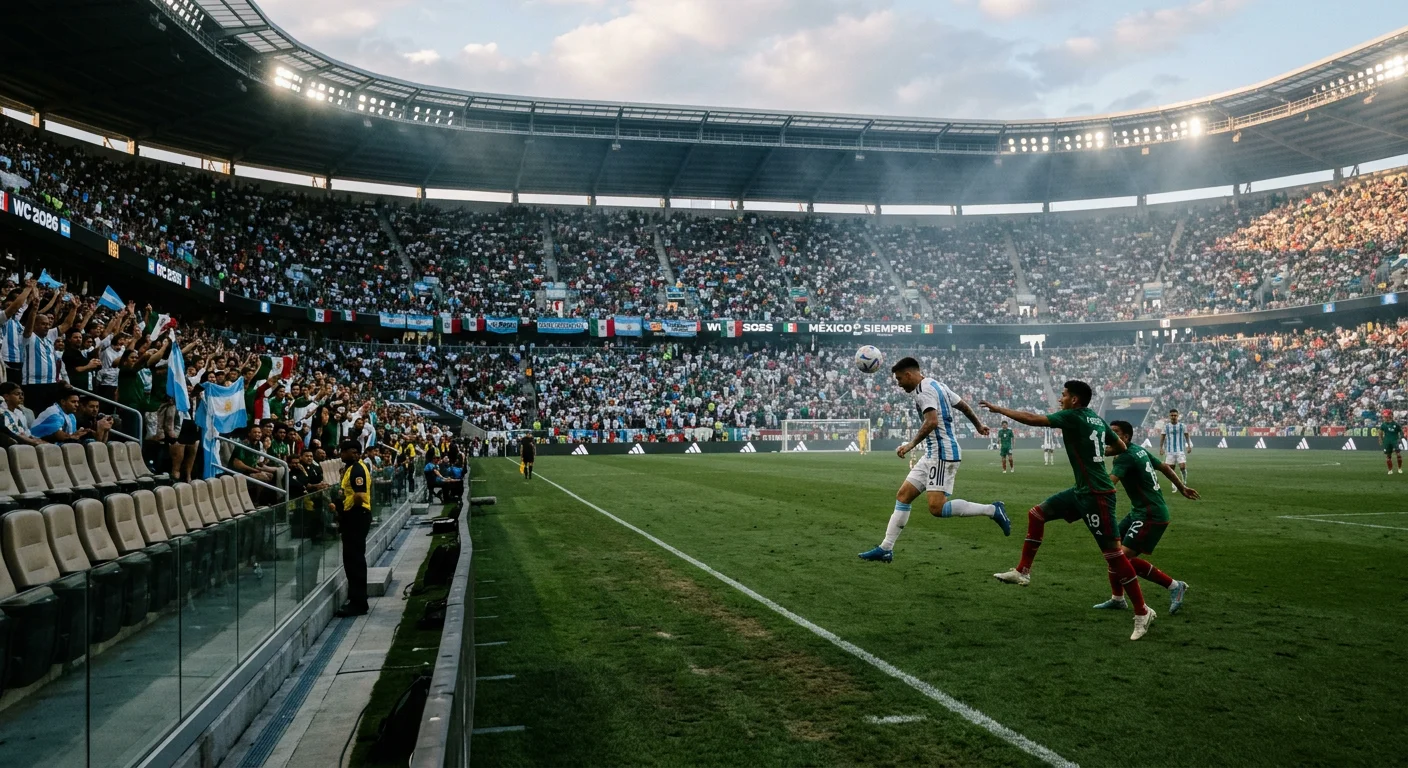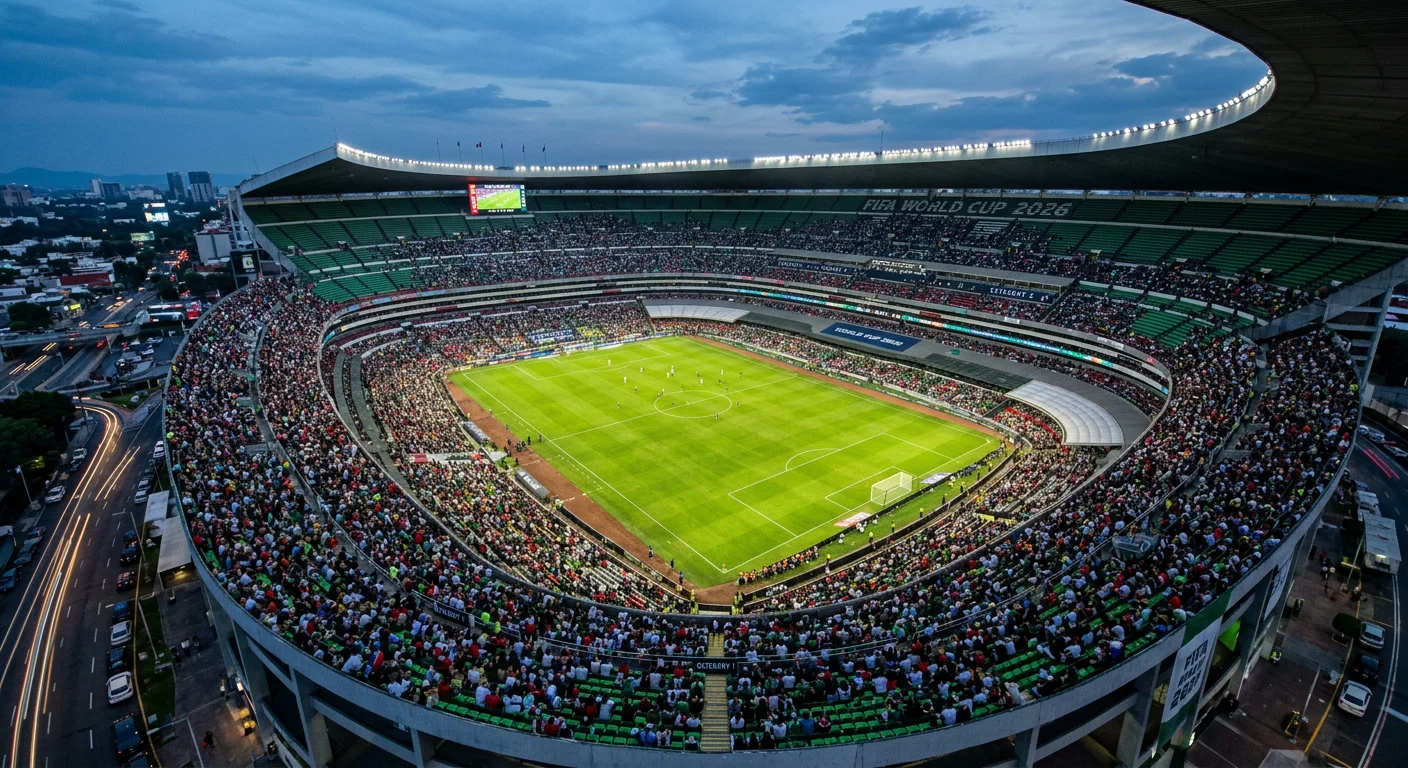
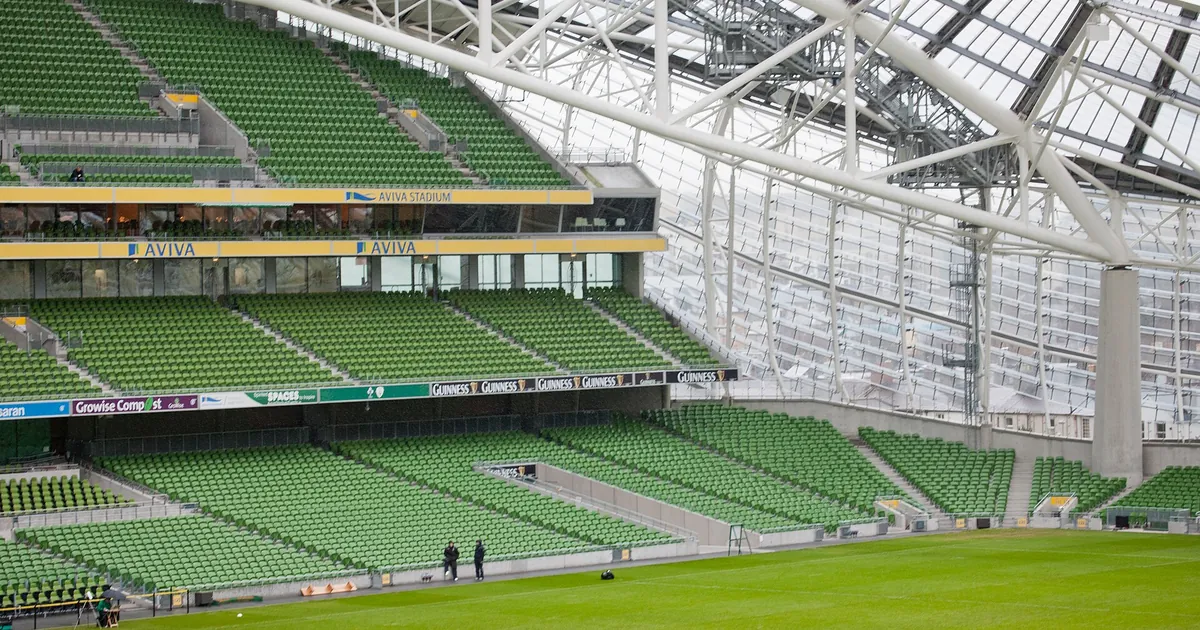
A tiered stadium seating bowl. Photo: William Murphy from Dublin, Ireland / Wikimedia Commons, CC BY-SA 2.0
8 min read · 1,709 words
FootyGazette’s James Whitmore unpacks one of the most misread parts of the 2026 World Cup ticketing rollout: what the category numbers actually buy you. Plenty of fans assume a Category 1 ticket drops them on the halfway line with the dugouts in view. For this tournament, that assumption can cost you a clear sightline and a sizable chunk of money. The category system has been rebuilt, and understanding the new logic is the difference between a seat you love and one you tolerate for ninety-plus minutes.
Here is the short version before we dig in. FIFA moved from a location-based system to a tier-based one. The number on your ticket now tells you roughly how high up you sit, not how central you are. That single change rewires how you should shop, compare, and budget for every match across the United States, Canada, and Mexico.
What the categories actually mean in 2026
In 2018 and 2022, the categories mapped to position. Category 1 meant the prime midfield blocks, the seats facing the center circle. You paid more, and you knew exactly what that premium bought. For 2026, the categories map to tier instead. Category 1 now signals the lower bowl, full stop, with no promise about whether you sit at midfield or stare across the pitch from behind the corner flag.
The practical hierarchy looks like this:
- Category 1: the lower tier, FIFA’s top general-sale band and the most expensive of the four.
- Category 2: a mix of lower and upper areas sitting outside the Category 1 sections, pitched as the balance band.
- Category 3: mostly upper tier, beyond Categories 1 and 2, leaning toward goal-end and far-corner views.
- Category 4: upper tier and the most affordable option, often reserved for residents of the host nations as a social-access measure.
FIFA also layered in a “Front Category 1,” a pricier band stacked above standard Category 1 for seats closest to the pitch within that lower tier. Some supporters called the addition a “monumental betrayal,” because it carved out the genuinely premium positions and attached an even steeper price to them. The headline number you remember from past tournaments no longer guarantees the experience you picture.
One more structural point matters here. You buy a category, not a specific seat. You choose an area, and FIFA assigns your exact spot, often close to match day. So even within a single category, two fans paying the same amount can end up with noticeably different views.
Where the bait is
The catch sits inside Category 1. Because it now means “lower tier” rather than “midfield,” a Category 1 ticket can place you behind the net or out in the corner while costing the same as a seat near the center circle. You pay the premium band price and gamble on geometry. That is the trap fans walk into when they apply old logic to the new map.
It gets tighter. A huge chunk of the midfield lower levels are reserved for hospitality tickets, the high-end packages sold separately at premium rates. Strip those blocks out and the genuinely central lower-tier seats left for general Category 1 sale shrink. The premium band exists, but the best real estate inside it is thinner than the label suggests.
That is why the “Front Category 1” tier raised eyebrows. By naming and pricing the closest lower-tier seats as their own band, FIFA effectively told buyers that standard Category 1 is no longer the front of the house. You can still land a strong seat in Category 1. You just can’t bank on it from the number alone.
The price ladder, and what it hides
Across the four categories, the cost steps down as you climb up. Category 1 sits at the top of general sale, Category 4 at the bottom, with 2 and 3 filling the middle. Front Category 1 perches above the standard Category 1 line. On paper it reads as a clean ladder, and that tidiness is part of the design.
What the ladder hides is how much each rung moves. Prices are not fixed across the tournament. They vary by match, by round, and by demand, so the same category can cost very differently for a group-stage opener than for a knockout tie or the final. Treat any figure you see as a snapshot rather than a fixed rate, and always confirm the current price for your specific match through official channels before you commit.
So the number on the ticket tells you the tier and roughly where you sit. It does not, on its own, tell you the price. That depends on which game you pick and when you buy.
The analysis: a category system built to be re-priced
Look at the structure as a whole and a pattern emerges. Redefining categories by height rather than position created room for new bands. Once “Category 1” simply means lower tier, FIFA can slot a “Front Category 1” above it without contradicting anything. The tier-based framework is elastic in a way the old location-based one wasn’t.
Pair that elasticity with dynamic pricing, the model where prices float with demand, and you get a system engineered for flexible revenue. 2026 is the first men’s World Cup to lean on dynamic pricing at this scale. Prices within a category can rise as a match heats up or as a marquee team books its spot, which means two buyers in the same band can pay very different amounts depending purely on timing.
None of that makes the seats bad. It does mean the category label carries less information than fans expect, and the rest of the value lives in details the number won’t show you: the tier, the likely position, the match, and the moment you buy. We dig deeper into the revenue mechanics in our breakdown of FIFA’s dynamic-pricing controversy, and into the broader travel math in our look at which host cities are getting fan costs right.
How to read a 2026 ticket before you buy
You can still get excellent value once you stop reading the category as a position guarantee. A few habits help.
Start with the tier, not the number. Ask yourself whether you want to be close and low, or higher with a wider, panoramic frame of the pitch. Lower-tier Category 1 and Front Category 1 put you nearer the action, while Categories 3 and 4 trade proximity for that sweeping view many fans actually prefer in the vast North American stadiums.
Next, weigh the view-versus-value trade-off honestly. If a clear, central angle matters most, Front Category 1 or a careful Category 1 pick is the target, and you accept the premium and the small geometry risk. If atmosphere and a full read of the game matter more than distance, Category 2 or 3 often delivers a better experience per dollar, since you see the shape of play and the runs developing.
Check the stadium seat map for your specific venue. Lower-tier behind-the-goal seats in one stadium can sit closer to the pitch than corner seats elsewhere, so the same category isn’t identical everywhere. Maps published per venue tell you what the category number can’t.
Factor in the match and the timing. Because pricing is dynamic, the gap between categories can widen or narrow depending on the fixture and how close you are to kickoff. A lower category for a high-demand knockout can still cost more than a higher category for a quieter group game. Compare within the match you actually want.
Finally, if you are a resident of the United States, Canada, or Mexico, look at Category 4. It is the cheapest band and often set aside for host-nation residents as an access measure. Supply tends to be limited, so it goes early, but it is the clearest value play in the whole structure if you qualify and move fast.
Put simply: buy the experience you want, then find the category and match that deliver it, rather than chasing a number you assume means midfield. For the full tournament picture, our complete guide to the 2026 World Cup ties the ticketing into schedules, venues, and travel planning.
Frequently asked questions
What is the difference between Category 1 and Category 2 at the 2026 World Cup?
Category 1 is the lower tier and FIFA’s most expensive general-sale band. Category 2 covers upper and lower areas outside the Category 1 sections and is pitched as the balance option. Neither guarantees a halfway-line view, because the categories describe tier, not position.
Does a Category 1 ticket guarantee a good view?
No. Categories are tier-based, not location-based, so a Category 1 seat may sit behind a goal or in a corner. It guarantees the lower tier, not a central angle. Check the venue seat map and consider Front Category 1 if a close, central view is the priority.
What is Front Category 1?
It is a band stacked above standard Category 1, covering the seats closest to the pitch within the lower tier. FIFA introduced it for 2026, and it carries a higher price than standard Category 1. Some fans criticized it for carving the best lower-tier seats into a separate, pricier tier.
Why did FIFA add more expensive ticket categories?
Redefining categories by height rather than position created room for new premium bands. Combined with dynamic pricing, that structure lets FIFA flex prices with demand and maximize revenue across matches and rounds.
Are 2026 World Cup ticket categories the same as in 2018 and 2022?
No. Earlier tournaments used location-based categories, where Category 1 meant the midfield blocks. 2026 uses tier-based categories, where the number signals how high you sit rather than how central.
Is Category 4 available to everyone?
Often not. Category 4 is the cheapest band and is frequently reserved for residents of the host nations, the United States, Canada, and Mexico, as a social-access measure. Supply is usually limited, so check eligibility and act early.
How much do the categories cost?
Prices vary by match, by round, and by demand, and 2026 uses dynamic pricing, so the same category can cost very differently from game to game. Rather than rely on a fixed figure, confirm the current price for your specific match through official channels before buying.
Do I pick my exact seat?
No. You buy a category, meaning an area of the stadium, and FIFA assigns your exact seat, often close to the match. Two fans in the same category can end up with different views, which is one more reason to read the tier and venue map rather than the number alone.